The Mixtec Language of Santa Catarina Estetla
Tu I Dau
The word Mixtec,
originally Mixctli, comes from Nahuatl , the
language of the Aztecs, and means "People of the Clouds". But in the Mixtec language, Tu I Dau means Word, Philosophy, or Doctrine of the Rain.
Santa Catarina
Estetla is located in the Northeastern Upper Mixtecan highlands of the district of Etla
in the state of Oaxaca, Mexico.
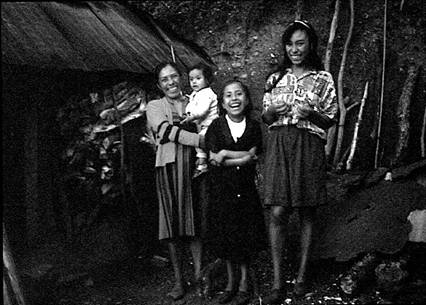
A family from Corral de Piedra,
Santa Catarina Estetla, Oaxaca:
left to right – Brigida, Hernan, Perla, Ofelia
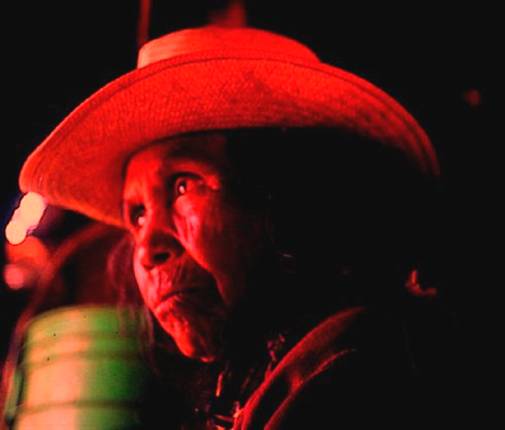
Doña Alejandra Santiago, our Teacher of Mixtec
Tu Idau
The Mixtec
Language of Santa Catarina Estetla
Etla, Oaxaca,
Mexico
(A
Variant of Peñoles Mixtec)
Glossary
Tu Idau, means, literally, “Word”, “Doctrine,” or “Philosophy
of the Rain.”
Estetla is a village of the Northeastern Highland Mixtec region. The villages and “rancherías” which speak this dialect are Estetla, Corral de Piedra, Rio Hondo, Rancho El Progreso, Los Sabinos, and Santiago Huaxolotipac. The “Mixteca” is the poorest region of Oaxaca. The people are gentle, warm, loving, generous, and very hospitable.
Pronunciation Guide
Vowels
There are 6 basic
vowels. 5 of these correspond to Spanish vowels:
a = ah; e = ay; i = ee;
o = oh; u = oo. (approximate pronunciations!)
The sixth, written
"+", is formed by saying e and rounding the lips slightly, but not so
much as to form the German ö. It is more like a California “duh now.”
In addition, all
vowels have a nazalized form, not indicated here in
any way, with the exception of nazalised
"+", written " n ".
Consonants
X = sh
Z = zh
In general, the
consonants should be pronounced softer than English consonants, IE, let some
air escape as you say them. In addition, there is the sound "Ñ",
pronounced "Ny".
Glottal Stops
Some words have an
interruption of sound caused by closing the throat momentarily. This is marked
with an apostrophe ( ').
Stress
A ´ marks a stressed
syllable.
Tones
There are three tonal
levels in Mixtec: high, medium, and low. These are
not indicated here in any way.
Spelling and
pronunciation contained herein are subject to revision.
I. Relations and Family Members
|
man |
tee |
|
woman |
ñad+'+ |
|
boy |
te li'li |
|
girl |
sa li'li |
|
Mister |
t+ sa cut'+ |
|
Mrs. |
ña sa
cut'+ |
|
young man |
te kwechi |
|
young woman |
sa kwechi |
|
elder |
ni
z++ (uni z++) |
|
elder woman |
+ni sa'nu |
|
person, people |
ña z+ vu+ |
|
family |
iani tai+ (iani taii) |
|
twins |
kwachi |
|
father |
tate |
|
mother |
nante |
|
dead person |
d+i z+ |
|
husband |
z+i |
|
wife |
ña v+'i |
|
grandfather |
ta sa'nui |
|
grandmother |
na sa'nui |
|
aunt |
didi |
|
uncle |
dito |
|
daughter |
ndaiza d+'i |
|
son |
ndaiza te'i |
|
grandson |
te cuu chani |
|
grandaughter |
sa cu chani |
|
niece, nephew |
sobrinu+i * |
|
cousin (male) |
primuia * |
|
cousin (female) |
primari * |
|
brother |
yani |
|
sister |
cu'ai |
|
stepmother |
nana cha'i |
|
stepfather |
tata cha'i |
|
stepson, stepdaughter |
daya cha'a |
|
II. Jobs and Functions |
|
|
policeman (topil) |
tatnu |
|
priest |
dutu |
|
farmer |
dexe tatna |
|
healer (male) |
xe tatna |
|
healer (female) |
xe tatnaya |
|
witch, sorcerer |
ñaozu tadi |
|
president, authority |
teku tiuu |
|
worker, helper |
tee chin deña a |
|
carpenter |
tee xetio kuan davi tu |
|
mason |
tee daka ve'e |
|
cattle person |
tee kui ka |
|
business person |
ñazuvu+n degun
de negocio * |
|
potter |
ñazeva k+de |
|
weaver |
nia kanu do |
|
cook |
dundu |
|
III. Animals |
Dukutu; K+t+ |
|
a. Insects |
|
|
fly |
chukun |
|
mosquito |
xi kwen yuu |
|
cockroach |
t+dita |
|
ant |
choko tukwe'e cha'u |
|
leaf cutter ant |
choko rriera,
choko rerru * |
|
bee |
ñuñu |
|
wasp |
tisaka |
|
louse |
chuku |
|
flea |
cho'o ya |
|
termite |
ke de nuyñ+ |
|
tick |
tuyñ+ abexio |
|
butterfly |
tikua |
|
grub |
tumasa |
|
earthworm |
cozik+ |
|
grasshopper |
t+ka |
|
cricket |
tuynch+ |
|
firefly |
t+t+yñ+u |
|
spider |
t+n do'o |
|
tarantula |
tigata ini |
|
cicada |
ch++ |
|
weavil |
t+kidi |
|
b. Aracnids, amphibians, reptiles |
|
|
scorpion |
d+lume |
|
crab |
choo |
|
frog |
la'va |
|
toad |
la'va d+zi |
|
lizard |
di che |
|
snake |
koo |
|
coral snake |
koo nund+v+ ("snake of
colors") |
|
rattlesnake |
koo kaa |
|
c. Birds |
t+daa |
|
eagle |
tado |
|
chicken hawk |
di'a |
|
dove |
kuku |
|
buzzard |
sengo |
|
grackle |
t+ kaka |
|
owl |
te kuku; za'a |
|
egret |
dami kuixi |
|
hawk |
chile'e |
|
rooster |
lo'o |
|
hen |
landu |
|
chicken |
chuun |
|
turkey (male) |
kolo |
|
turkey (female) |
kuni |
|
woodpecker |
ke tu'u |
|
sparrow |
t+da vico ("cloud
bird") |
|
d. Mammals |
|
|
bat |
d+ x++ |
|
squirrel |
kweñu |
|
mouse |
t+yñ+ |
|
possum |
saka |
|
ringtail |
ch+n v+ñ++ |
|
fox |
nu kuii |
|
skunk |
ch+'+ |
|
armadillo |
za'ku |
|
rabbit (edible) |
ido kwixi |
|
hare |
ido burru * |
|
coyote |
ñaña |
|
deer |
idu |
|
calf |
che'lu |
|
mule |
k+t+
xido |
|
pig |
kuchi |
|
sheep |
mbee |
|
|
|
|
IV. PLANTS (edible) |
|
|
century plant (maguey) |
zauu |
|
prickly pear cactus |
vi'nde |
|
epazote (worm seed) |
minu |
|
mint |
minu stila ("Spanish
herb") |
|
chepil |
duandudu |
|
quelite (wild spinach) |
ix kukuii |
|
pigweed |
de kut'nu |
|
sassafrass |
duandoo |
|
sweet corn |
d+di
itu |
|
mushroom |
xi'i |
|
onion |
d+kumi |
|
potato |
t+ku+ti |
|
tomato |
te
nana |
|
green (shell) tomato |
t+
nana chauu |
|
green beans |
ndichi |
|
garbanzo |
duchi garbanzu
* |
|
squash |
z+k+ |
|
baby squash |
z+k+n zute |
|
chayote (choko, or vegetable pear) |
naña |
|
chilacayota (a squash from which a drink is
made) |
z+k+n
tunduyu |
|
sweet potato |
ya'mi |
|
beans |
duchi |
|
corn |
nuni |
|
avocado |
t+chi |
|
onion |
dikumi |
|
peanut |
d+ vañu'u |
|
b: Fruits |
|
|
wild cherry |
deza |
|
peach |
qui'i |
|
guava |
t+kwee zu |
|
anona |
doko |
|
citrus |
t+kwee |
|
banana |
chite |
|
black zapote |
doko tnuu |
|
white (sleeping) zapote |
doko kuixi |
|
sweet lemon |
vidi zi |
|
sweet potato |
ña'mi vidi |
|
Inedible plants |
|
|
plant |
yuku |
|
Flower |
itu |
|
grass |
ite |
|
palm |
chiñuu |
|
cornfield (milpa) |
itu |
|
cotton |
cachi |
|
cane (carrizo) |
zoo |
|
tree |
yut'nu |
|
oak tree |
tu zaa |
|
pine
tree |
tu zuza |
|
pecan
tree |
tu
nuez * |
|
okote pine tree |
it+ |
|
thorn tree |
tuiu |
|
piñon tree |
tu zaxi |
|
V. NATURE |
|
|
a. celestial |
|
|
air |
tachi |
|
cloud |
vico |
|
fog |
vico ñu'u |
|
rain |
dau |
|
hail |
ñiñi |
|
lightning |
cha'ngi |
|
star |
chodini |
|
sun |
nikaanchi |
|
rainbow |
cora'ngi |
|
moon |
zoo |
|
cloudy |
viko de'vu |
|
heaven |
n+ tachi |
|
eclipse |
zikanzi za'tan
jen de zoo |
|
day |
duu |
|
night |
ñiu |
|
b. Terrestrial |
|
|
earthquake |
taa |
|
river |
zute |
|
dew |
zuzu |
|
dust |
zu'me |
|
well |
doko |
|
arroyo |
zuu |
|
hill |
yuku |
|
mountain |
ch++ |
|
cave |
de'va |
|
stone |
yuu |
|
sand |
ni kuchi |
|
mud |
de'iu |
|
water |
ndute |
|
spring |
do'zo |
|
town |
ñuu |
|
road |
ichi |
|
plaza |
nuzau |
|
church |
veñu'u (literally, "house of the elf") |
|
house |
ve'e |
|
wall |
z+ka ve'e |
|
c. Household Utensils |
|
|
pitcher |
q+le lo'o |
|
petate (woven palm mat) |
zodo |
|
bed |
nuxito |
|
broom |
tu t+tw+ (lit. "tree
sweep") |
|
door |
zuzue'e (lit. "mouth house") |
|
pestle (tejolote) |
k+ za'a |
|
knife |
yuchi |
|
hammock |
zu'a |
|
blanket |
dod+ kachi |
|
comal (griddle for making tortillas) |
xio |
|
paper |
tutu |
|
wax |
ñume |
|
oven |
chit'nu |
|
fire |
ñu'u |
|
firewood |
nduku |
|
metate (grinding stone) |
zodo |
|
ashes |
zaa |
|
plate |
ka'a |
|
stone mortar (molcahete) |
ko zaa |
|
fireplace |
nuka duñu'u |
|
incense |
duza |
|
fan (for fire) |
vichi |
|
leather |
ñ++ |
|
wood |
yutu |
|
viga (wooden beam) |
t+ tukoo |
|
palm |
ñuu |
|
rope |
zo'o |
|
adobe |
da'o |
|
smoke |
ñu'me |
|
hoe |
grabatu |
|
hatchet |
kaa |
|
rifle |
zii |
|
net |
ñunu |
|
tenate (palm basket for tortillas) |
xide |
|
money |
vi'u |
|
d. Clothing |
|
|
shirt |
do'no |
|
underpants |
calzoni * |
|
wool |
idi |
|
loom |
ida |
|
thread |
zu'a |
|
sandals (huaraches) |
chauu |
|
jorongo ("shepherd's coat") |
do sakui'tnu |
|
huipil (blouse) |
diku |
|
shawl |
tayu |
|
hat |
mbelu |
|
ring |
se'e |
|
sweater |
do'na |
|
shoes |
chavi |
|
V. FOOD |
NDUCHUA |
|
meat |
kuñu |
|
barbecued (deep pit) meat |
kuñu xitu |
|
tamal |
xio |
|
salsa |
za'a |
|
tortilla |
dita |
|
bread |
pa kaxoo * |
|
egg |
d+vu+ |
|
rice |
kwa'a kaxoo |
|
salt |
ñ++ |
|
atole (corn gruel) |
tute |
|
pulque |
d+di
kuixi |
|
water |
ndute |
|
VI. COLORS |
|
|
red |
t+kwe'e |
|
orange |
anaranjadu * |
|
yellow |
kwaa |
|
green |
kwii |
|
blue |
chi'i |
|
purple |
moradu * |
|
brown |
cafe * |
|
black |
tnuu |
|
VII.
VERBS |
|
|
come |
vexi |
|
go |
cua'a |
|
walk |
kaka |
|
stand up |
da kw+n y+ |
|
get up (from bed) |
da ko |
|
turn around |
da kwi ko |
|
sit down |
ngo |
|
sing |
xi tang |
|
.eat |
kaxi |
|
drink |
ko'o |
|
want |
kwinin |
|
think |
kani ini ("think in your
heart" |
|
move |
kanda |
|
be born |
niku |
|
die |
nixi |
|
plant |
dakuxu |
|
|
|
|
VIII: Useful Phrases |
|
|
Good morning |
Kobaadín. |
Answer to Good morning |
Kobadiátu. |
|
Good afternoon |
Kobaadín Sakwaa. |
|
Answer to Good afternoon |
Kobadiátu Sakwaa. |
|
Good evening |
Arasío. |
|
Nice to see you. |
Ku kweni. |
|
How are you? |
Ku kwen'n deku? |
|
Fine |
Deku ba’i. |
|
What are you doing? |
Nan dau ku? |
|
(By your leave) I'm entering the house. |
Vexi ve'e. |
|
Come in. |
Ne'e ve'e. |
|
Where are you going? |
De
k+'n? |
|
I'm going to the hill now. |
Na k+'i zucu. |
|
Get in (the car or truck). |
Kwa saa. |
|
See you. |
Kau. |
|
Goodbye (formal) |
Kande ini. |
Answer to Goodbye |
Kande ini
yo tuku. |
|
Farewell. |
Kande tne tíu. |
|
Have a tortilla. |
Kaxin dita. |
|
Have some water. |
Ko'o ndute. |
|
What's your name? |
Naha nani? |
|
.My name's Sam. |
Nani yu'u
Samuel. |
|
I don't understand. |
A tu
xini. |
|
Thank you. |
Ta xa'u zin.
(informal) |
|
|
Niku tab'i (formal - for one
person) |
|
|
Niku tab'o (formal for two or
more) |
|
Where are you from? |
De
te kuu? |
|
How old are you? |
Na dáa
kwiaan? |
|
Nice to meet you. |
Kwa'a niku. |
|
Yes |
D+u |
|
No |
Ña d+u |
* Indicates
Spanish loan words, or words derived from Spanish
Compiled by
Samuel M. Johnson